
Mastering Time: How Cooking Builds Time Managment
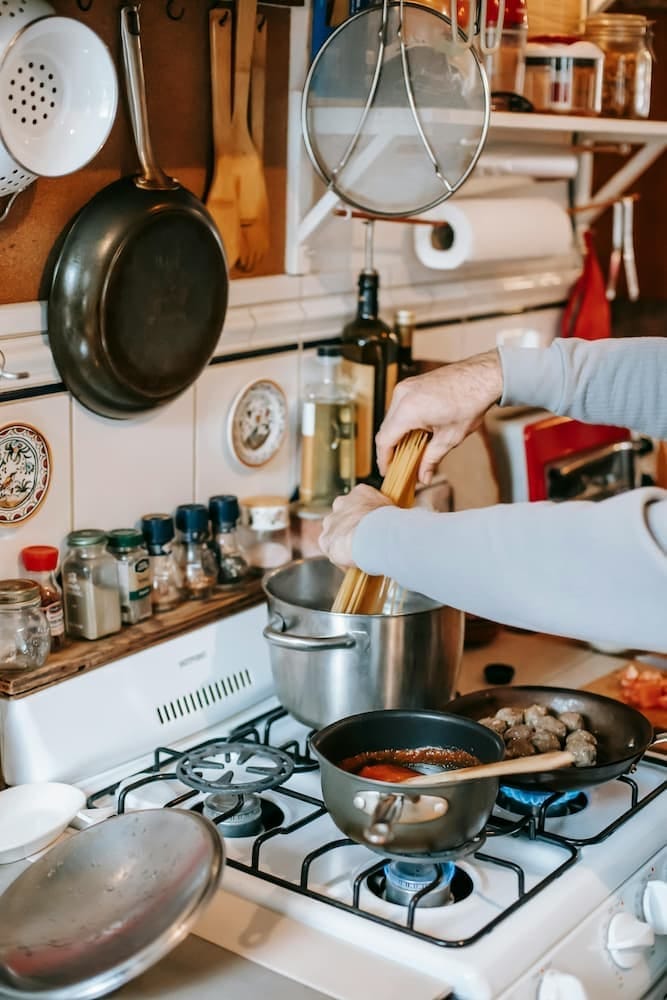
The pancakes need flipping, the juice has got to be stirred, eggs—if you want to eat them hot— have to be scrambled in exactly 5 min....phew are you sweating yet? The nerves it takes to make breakfast, first thing in the morning mind you, can be overwhelming. Welcome to....
the ultimate training ground of time management, the kitchen!
When students juggle multiple tasks, follow recipe steps in order, or set timers, they’re learning how to manage time in a hands-on way. It’s real-time thinking and planning.
Kids quickly learn that if the pasta is ready before the sauce, or the cookies are in the oven too long, the meal doesn’t quite work.
Instructors don't just teach recipes—they guide kids to think like planners.
Build age-appropriate timelines into class plans
Encourage kids to think ahead and reflect on timing choices
Use cooking as a bridge to real-world time management skills (great for both school and home life!)
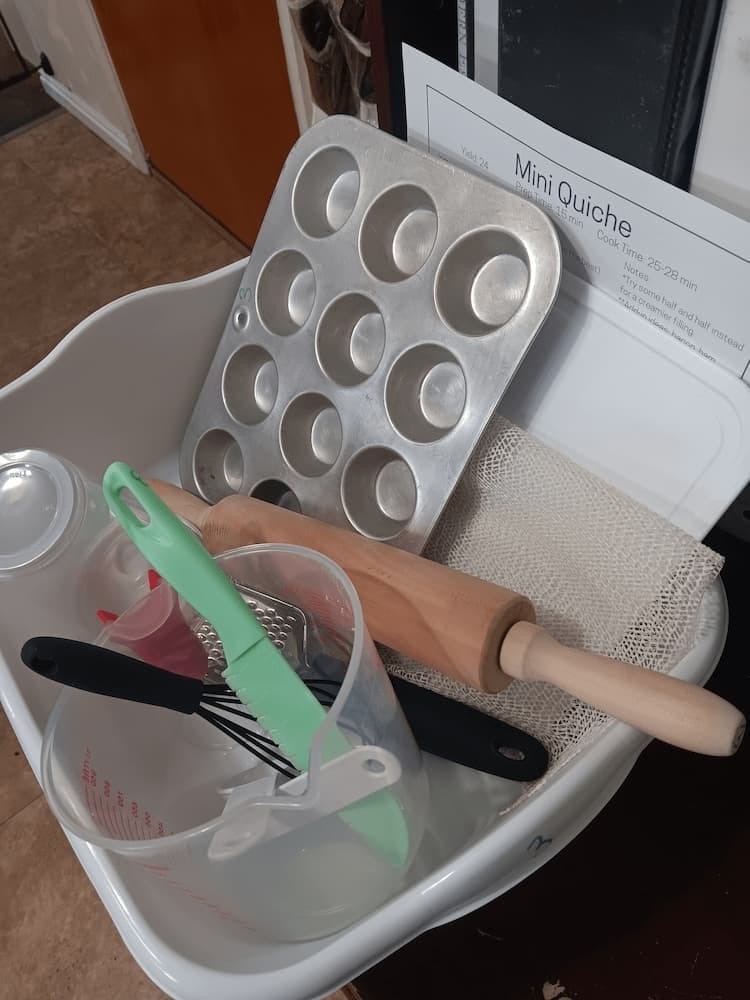
"Laying out our tools and reading through the recipe is our 1st step after washing our hands"
~Savour & Sprout: Culinary Studio
Certified instructors guide kids in pacing their work utilizing these teaching tools:
Ask students to estimate how long a step will take.
Use visual timers for younger chefs.
Have kids plan what they can prep while waiting (e.g., “What can we do while the dough chills?”).
These moments reinforce sequencing, awareness, and self-management—all while having fun.
Time management is a skill that lasts far beyond the kitchen. By learning how to pace, plan, and prioritize through cooking, kids are setting themselves up for success—in school, at home, and for life.
Every sizzling pan or ticking timer is a chance to teach kids how to manage time wisely—one bite-sized task at a time.
RELATED POST
Children's Culinary Education: Igniting a Global Effect with Lasting Impact.


Created with systeme.io